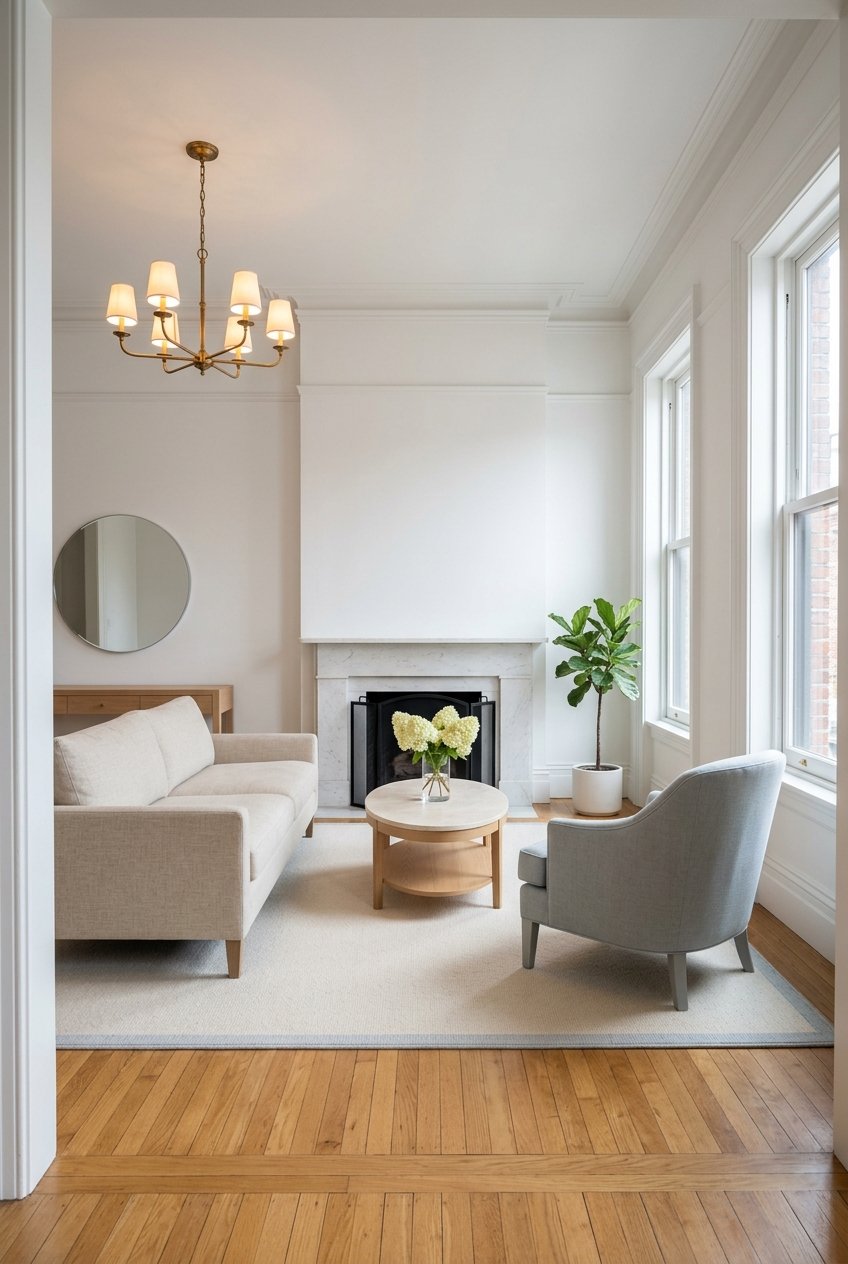
What if the difference between a strong Back Bay condo sale and a disappointing one is not your address, but how clearly buyers can understand your home before they ever walk through the door? In a neighborhood where condos often command premium prices, presentation shapes how buyers perceive value, condition, and lifestyle from the very first scroll. If you are preparing to sell, it helps to know which details move the needle and which ones simply add time or cost. Let’s dive in.
Why presentation matters in Back Bay
Back Bay sits in a premium segment of the Boston condo market. Current market snapshots show median listing prices in the neighborhood well above $1 million, with reported median time on market in the roughly 41 to 46 day range and sale-to-list ratios around 96% in one neighborhood overview. In other words, buyers are paying close attention, and they expect a listing to feel polished and well considered.
That expectation is especially important in Back Bay because the neighborhood is also a historic district. Boston describes it as an early planned residential district with architecture that reflects changing styles across the late 19th and early 20th centuries. For sellers, that means buyers are often reacting to detail, light, proportion, and condition, not just square footage.
First impressions happen online
Much of your buyer’s decision-making starts before a showing is scheduled. The National Association of REALTORS® 2025 staging report found that buyers expected to view a median of 20 homes virtually and 8 in person before buying. That tells you something simple but important: your condo needs to make sense online first.
The same report found that buyers’ agents considered photos, physical staging, videos, and virtual tours important listing assets. Photos led the list at 73%, followed by physical staging at 57%, videos at 48%, and virtual tours at 43%. If your presentation is weak online, some buyers may never make it to the in-person stage.
Presentation supports price, not just pace
Presentation does not guarantee a higher sale price, but it can improve how quickly buyers understand your condo and how confidently they justify an offer. NAR consumer guidance reports that more than a quarter of real estate professionals said staging increased offer value by 1% to 10%. About half of sellers’ agents also reported shorter time on market for staged homes.
That matters in Back Bay, where many condos are distinctive rather than interchangeable. Research on home sales found that more listing photos and longer property descriptions were associated with higher sale prices, while plain facts-and-features style marketing was less influential. For a Back Bay seller, that supports a practical takeaway: thoughtful presentation helps buyers see what makes your particular home worth the asking price.
Stage the rooms buyers notice first
If you want the biggest impact, start with the rooms buyers focus on most. The 2025 NAR staging report found that the most commonly staged rooms were the living room, primary bedroom, and dining room. The research takeaway for sellers also highlights the living room, primary bedroom, and kitchen as high-priority spaces because buyers assess scale, light, and livability there very quickly.
In a Back Bay condo, those rooms often do the heaviest work. The living room helps buyers understand ceiling height, window exposure, and flow. The primary bedroom shows whether the home feels calm and functional, while the kitchen often signals upkeep and everyday usability.
Focus on function and scale
Staging is not about making your condo look overly decorated. It is about helping buyers understand where furniture fits, how rooms flow, and how the space lives day to day. In smaller or more uniquely shaped condos, that clarity can be especially valuable.
For lightly furnished condos or pied-à-terre units, clean sightlines and intentional placement usually matter more than adding lots of accessories. Neutral furnishings, strong lighting, and a simple layout can help buyers read the room correctly. The goal is to make the home feel bright, composed, and easy to understand.
Vacant condos need extra help
Vacant units can look clean, but they often feel harder to interpret. NAR notes that staging is especially helpful because it helps buyers visualize how rooms function and how furniture fits. Virtual staging can support listing photos, but once a buyer tours an empty condo in person, it may be harder for them to picture the lifestyle the space offers.
That is why physical staging can carry real weight for vacant Back Bay listings. It bridges the gap between a good floor plan and an emotional connection. For higher-priced condos, that connection can be important when buyers compare your unit against other polished listings.
Photography should be polished and truthful
Professional photography is one of the highest-value listing tools you can invest in. In Back Bay, photos should capture natural light, room proportions, finishes, and any notable views or architectural details. They should also help buyers understand how the condo feels, not just what it contains.
Truth matters here. NAR advises that materially altered photos should be disclosed, and misleading images can create disappointment when buyers arrive in person. Standard edits like exposure correction, white balance, cropping, and sharpening are acceptable when they do not change the property’s representation.
What strong photos should show
For many Back Bay condos, the most persuasive images are not the flashiest ones. They are the images that clearly communicate:
- natural light
- ceiling height and room proportions
- architectural detail and trim
- kitchen and bath finish quality
- window outlooks and views, when relevant
- the relationship between adjoining spaces
In a historic neighborhood, buyers often pay for character as much as square footage. If your photography misses that, your listing may feel flatter than the home actually is.
Video and 3D tours are support tools
Video and 3D tours can absolutely help your marketing, especially for out-of-town buyers, relocating professionals, or anyone with a tight schedule. Research suggests virtual tours are strongest early in the buyer funnel and tend to work better for larger or more differentiated homes. They are most effective when they complement photos and written descriptions rather than replace them.
That is a useful guide for Back Bay sellers. Video can help pre-qualify interest and give buyers confidence to book a showing, but still photography and strong written marketing usually do more of the pricing work. Think of video as a valuable supporting asset, not the whole strategy.
Small updates can improve buyer perception
Not every pre-sale improvement needs to be major. NAR’s 2025 Remodeling Impact Report says real estate professionals most often recommend painting the entire home or painting one room before selling. The same report also notes strong buyer demand for kitchen upgrades and bathroom renovations, but that does not mean every seller needs a full remodel before listing.
In many condos, the best return comes from practical improvements that make the home feel fresh and well maintained. NAR’s seller checklist recommends steps like deep cleaning, cleaning windows and screens, replacing burnt-out bulbs, and using bright neutral paint. These changes can improve both photography and in-person showings without adding unnecessary delay.
Where to spend first
If you are deciding where to focus your budget, start with the updates that improve clarity and condition:
- deep clean the entire condo
- clean windows and screens
- replace any burnt-out or mismatched light bulbs
- touch up or repaint with bright neutral tones where needed
- simplify furniture and remove visual clutter
- address obvious wear in kitchens and baths
These are not dramatic upgrades, but they often help buyers feel that the home has been cared for. In a premium market, that perception matters.
Historic-district rules can affect prep work
Because Back Bay is a designated historic district, exterior changes are not something you should assume you can tackle quickly before listing. The Boston Back Bay Architectural District Commission reviews proposed exterior design changes and alterations, and the city states that exterior work must be approved before work begins. If you are considering visible exterior updates, timing and approval requirements should be part of your planning.
For many condo sellers, that means focusing first on interior presentation and approved maintenance items rather than trying to rush exterior cosmetic work. It is one more reason to build a listing plan early. In Back Bay, good preparation is not just aesthetic. It can also be procedural.
Occupied condos need a tighter plan
If your condo is tenant-occupied, presentation requires coordination. The Massachusetts Attorney General says landlords must arrange in advance with the tenant to enter the apartment for reasons that include making repairs, inspecting condition, or showing the apartment to prospective buyers or real estate agents. That makes photography, staging, and showing access part of the strategy from day one.
An occupied condo can still show beautifully, but it usually needs a clear schedule and realistic expectations. If access is limited or timing is inconsistent, your marketing can lose momentum. The smoother the prep process, the more polished your launch is likely to feel.
A smart Back Bay presentation plan
In most cases, the strongest approach is not the most expensive one. It is the one that helps buyers understand your condo quickly and trust what they see. In Back Bay, where homes are often highly differentiated and buyers are evaluating both quality and character, that clarity can support both buyer interest and your final sale outcome.
A thoughtful launch often includes:
- targeted staging in key rooms
- professional, accurate photography
- video or 3D assets as support tools
- concise pre-list updates with visible impact
- a written description that goes beyond basic facts
- early planning for any access or historic-district considerations
When each part works together, your condo enters the market looking intentional, competitive, and worth serious attention.
If you are thinking about selling your Back Bay condo, a presentation-first strategy can help you make stronger decisions before your listing goes live. For tailored guidance on pricing, preparation, and marketing, connect with Cheryl Zarella.
FAQs
How does staging affect a Back Bay condo sale?
- Staging can help buyers visualize how the condo lives, and NAR reports that more than a quarter of real estate professionals saw staging increase offer value by 1% to 10%, while about half of sellers’ agents reported shorter time on market for staged homes.
Which rooms matter most when staging a Back Bay condo?
- The highest-priority rooms are typically the living room, primary bedroom, and kitchen because buyers tend to judge light, layout, and livability in those spaces first.
Do vacant Back Bay condos need physical staging?
- Vacant condos often benefit from physical staging because it helps buyers understand furniture placement and room function in a way that is harder to grasp in an empty space.
Are video and 3D tours important for Back Bay condo listings?
- Yes, but they usually work best as support tools that help attract and qualify buyers early, while strong photos and written descriptions do more of the heavy lifting on value perception.
Can I make exterior updates before listing a Back Bay condo?
- Any proposed exterior work in the Back Bay historic district must be reviewed and approved before work begins, so sellers should plan carefully and avoid assuming visible changes can be done immediately.
What if my Back Bay condo is tenant-occupied?
- In Massachusetts, access to show the apartment or coordinate related prep work must be arranged with the tenant in advance, so scheduling and communication become an important part of your listing plan.