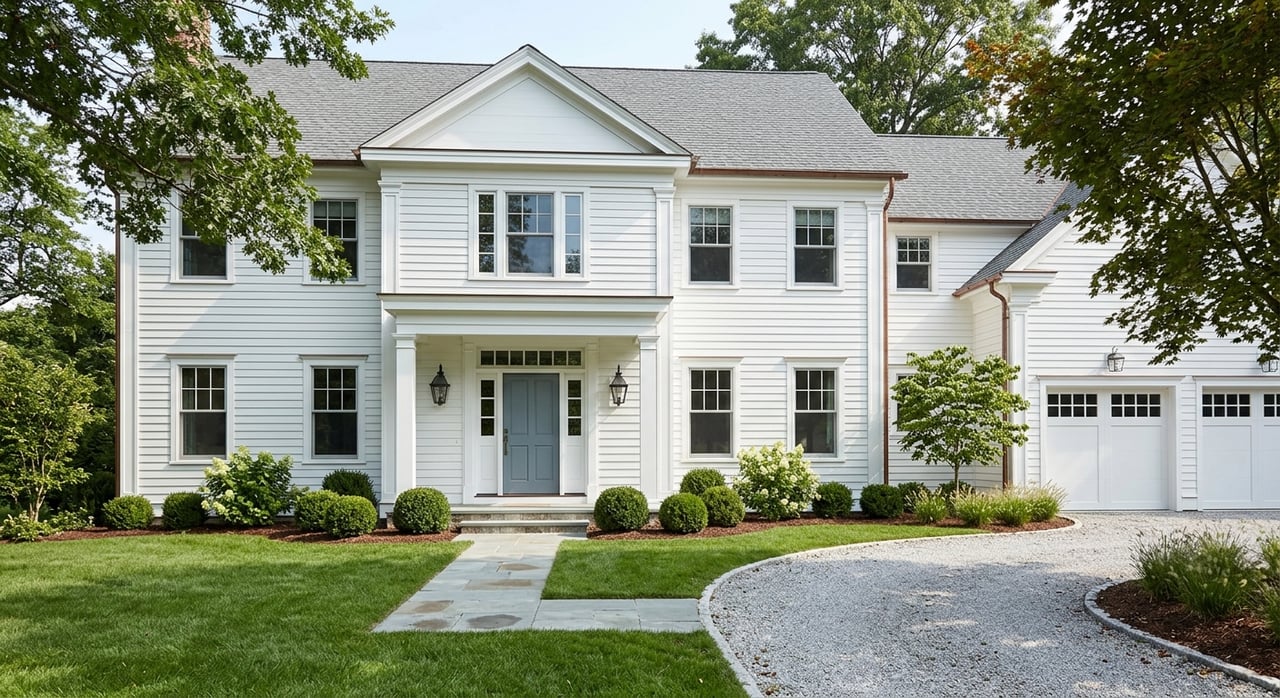
Thinking about trading Back Bay’s walkable streets for more space in Bedford? That move can open the door to a very different daily rhythm, but it also comes with new decisions about budget, timing, commute patterns, and household logistics. If you are planning a cross-state move from Boston to Southern New Hampshire, this guide will help you think through the shift step by step so you can move with more clarity and less stress. Let’s dive in.
Understand the lifestyle shift
Back Bay and Bedford offer very different living experiences. According to the Boston Planning neighborhood overview for Back Bay, Back Bay sits along the Charles River near Downtown and the Public Garden and is known for its historic architecture and commercial streets. Redfin’s neighborhood data also shows a 97 Walk Score and 96 Transit Score, which reflects just how easy it is to get around without a car.
Bedford, by contrast, describes itself as a mostly residential community of about 23,700 people with access to major highways and retail options that include Whole Foods, Trader Joe’s, REI, Target, and Lowe’s, according to the Town of Bedford. That usually means you are trading some urban convenience for more space, more privacy, and a more car-oriented routine.
If you currently live in a Back Bay condo, this is not just a change of address. It may also mean taking on yard care, snow removal, exterior maintenance planning, and the cost of furnishing and maintaining a larger home. Those practical changes are worth thinking through early.
Compare your housing costs
One of the biggest reasons people make this move is value. Recent market snapshots suggest Bedford remains less expensive than Back Bay on a typical-home basis, even though the data points are not identical. Redfin reported a $1.2 million median sale price in Back Bay in February 2026, while Bedford’s average home value was $745,475 as of February 28, 2026, according to Zillow data cited in Bedford research.
Bedford’s local numbers add useful context. The town’s 2025 annual data showed a median single-family sale price of $805,000 and a median condo sale price of $505,500. At the same time, only 22 homes were for sale and 9 new listings were reported in Bedford on February 28, 2026, which points to limited inventory.
Factor in Bedford property taxes
This is where your monthly budget may feel different. Bedford’s 2025 property tax rate was $16.49 per $1,000 of assessed value, and the town notes that a 2026 revaluation is underway, according to the Bedford Assessing Department. The same town source reports a 2025 median annual tax bill of $11,202 for a single-family home.
Using the 2025 tax rate as a planning tool:
- A $750,000 assessed home would equal about $12,367 per year in property taxes
- A $900,000 assessed home would equal about $14,841 per year in property taxes
- The town’s median single-family tax bill works out to about $933.50 per month
New Hampshire also has no broad-based sales or income tax, based on Bedford’s town materials, so property ownership costs carry more weight in your monthly math. Before you tour homes, it helps to ask your lender to build Bedford taxes into your preapproval so you are comparing homes based on the full monthly payment, not just principal and interest.
Know what inventory looks like
Your home search may feel different in Bedford than it did in Back Bay. Bedford says the town is close to build-out, which suggests a market made up largely of existing homes rather than a large wave of new construction, according to the town overview.
That matters because a resale-heavy market often requires quick decisions, careful comparison, and a realistic view of condition. You may find homes with more space and land than you had in Boston, but you may also need to think about roof age, systems, maintenance history, and how much updating you want to take on.
What to expect in a resale-heavy search
In practical terms, your Bedford home search may involve:
- Fewer available listings at any given time
- Wider variation in lot size, floor plan, and home age
- More focus on maintenance items and long-term upkeep
- A need to move quickly when the right property appears
If you are hoping for a polished move with minimal disruption, having a clear wish list and a firm budget can make the process much easier.
Decide whether to sell first or buy first
This is one of the biggest strategy questions in a Back Bay-to-Bedford move. There is no one-size-fits-all answer, but the right path usually depends on your equity, risk tolerance, and timeline.
Back Bay and Bedford operate differently. Back Bay is a dense, transit-rich urban market, while Bedford appears to have thinner inventory and a more house-oriented ownership model based on the research above. That is why sequencing matters.
Option 1: Sell your Back Bay home first
Selling first can give you a clear budget and reduce financial overlap. If you need proceeds from your Boston sale for your down payment, this may be the most straightforward path.
The tradeoff is timing. Because Bedford inventory may be limited, you may need temporary housing or a flexible closing strategy if the right Bedford home does not appear right away.
Option 2: Buy in Bedford first
Buying first can make the transition smoother if you want to avoid moving twice. This can be especially appealing if you have the financial flexibility to carry both properties for a period of time.
The tradeoff is higher short-term exposure. You will want to be very clear on carrying costs, including your current housing expense, the new mortgage payment, and Bedford property taxes.
Option 3: Align both closings closely
A coordinated sale and purchase can reduce disruption, but it requires planning and strong communication across both transactions. If your ideal outcome is one move and minimal downtime, this approach often works best when you prepare early and build in buffer time.
Plan your commute and weekly routine
The daily rhythm in Bedford is usually more car-centered than what you may be used to in Back Bay. The Town of Bedford says it is a short drive to I-93, I-293, and Route 3, less than an hour from Boston, and about 7 miles from Manchester-Boston Regional Airport.
That accessibility is helpful, but it is still a different experience from living in a neighborhood with a 97 Walk Score and 96 Transit Score. If you will still be commuting into Boston regularly, plan for more driving, more parking logistics, and a need for more time buffer in your day.
Questions to answer before you buy
Before choosing a Bedford home, think through:
- How many days each week you expect to be in Boston
- What departure times make your routine realistic
- Whether multiple drivers in the household need separate vehicles
- How often you travel and whether airport access matters
- How much convenience you want to nearby retail and services
These questions can shape not only your location within Bedford, but also how your move feels once the novelty wears off.
Coordinate school and childcare details early
If you are moving with children, school logistics should be part of your search from the start. Bedford’s town profile says the district serves grades K-12 through SAU 25 and includes 3 elementary schools, 2 middle or junior high schools, and 1 high school, according to the Bedford town profile.
The district’s official pages list Memorial Elementary, Peter Woodbury Elementary, Riddle Brook Elementary, McKelvie Intermediate, Ross A. Lurgio Middle School, and Bedford High School. The federal Blue Ribbon Schools site also lists Riddle Brook as a 2023 awardee, as referenced in the research.
Just as important, Bedford school pages include practical details like calendars, bus routes, arrival and dismissal procedures, and before-school programming. That means it is wise to confirm school assignment and transportation details early, especially if your move is happening midyear or near the start of a new school term.
For younger children, Bedford’s town profile also notes 16 licensed child care facilities with total capacity of 1,494. Availability can change, but that context is useful if child care is part of your relocation plan.
Build a step-by-step moving timeline
A smooth relocation usually comes down to sequencing. When you are moving from a city condo or urban residence to a suburban home, small timing issues can become bigger than expected.
Here is a practical playbook to follow.
1. Get preapproved with taxes included
Ask your lender to calculate your buying power using Bedford property taxes, not just list price. This gives you a more realistic monthly budget from the beginning.
2. Decide your sale-and-purchase strategy
Choose whether you plan to sell first, buy first, or align both closings. Your strategy should reflect your finances, comfort level, and how flexible your move can be.
3. Narrow your Bedford criteria
Prioritize the features that matter most in your next home, such as square footage, lot size, layout, commute access, or lower-maintenance living. In a limited-inventory market, clear priorities help you act faster.
4. Research school and childcare logistics
If these apply to your household, confirm assignment, bus information, calendars, and any care needs before you commit to a closing date.
5. Match closing dates to your routine
Try to align your sale, purchase, school schedule, and work calendar as much as possible. This reduces pressure during the actual move.
6. Leave room for transition tasks
Build in extra time for movers, utility setup, address changes, and any work needed before move-in. A little buffer can prevent last-minute stress.
Prepare for the emotional side of the move
Even when the move makes sense on paper, leaving Back Bay can feel like a major identity shift. You may be stepping away from walkable blocks, easy transit, and the spontaneity of city living.
At the same time, Bedford can offer a different kind of ease. More space, a more residential setting, and greater control over your property are meaningful benefits for many buyers. The key is to plan for both the financial and emotional parts of the transition so your next move feels intentional, not rushed.
If you are weighing the sale of a Boston home and the purchase of a Bedford property at the same time, having experienced guidance on both sides of the border can simplify the process. Cheryl Zarella helps clients navigate urban-to-suburban moves with clear strategy, responsive support, and local insight across Greater Boston and Southern New Hampshire.
FAQs
How different is daily life when moving from Back Bay to Bedford?
- Back Bay is highly walkable and transit-friendly, while Bedford is a mostly residential town where daily life typically involves more driving and more planning around parking, errands, and commute time.
What should you budget for Bedford property taxes when relocating from Back Bay?
- Bedford’s 2025 tax rate was $16.49 per $1,000 of assessed value, so a $750,000 assessed home would be about $12,367 per year and a $900,000 assessed home would be about $14,841 per year before exemptions.
What does the Bedford housing market look like for buyers relocating from Boston?
- Bedford appears to be a resale-heavy market with limited inventory, including 22 homes for sale and 9 new listings reported on February 28, 2026, so buyers should be ready for fewer choices and faster decision-making.
What school planning should families do before moving to Bedford?
- Families should confirm school assignment, calendars, bus routes, arrival and dismissal procedures, and before-school programming early in the home search because those details can affect both location and closing timing.
Should you sell your Back Bay home before buying in Bedford?
- It depends on your equity, down payment needs, and risk tolerance, but many buyers choose between selling first for budget clarity, buying first for convenience, or coordinating both closings to reduce disruption.
How should you time a move from Back Bay to Bedford?
- A smart sequence is to get preapproved with Bedford taxes included, choose your sale-and-purchase strategy, line up school and commute logistics, and leave extra time for movers, utilities, and address changes.